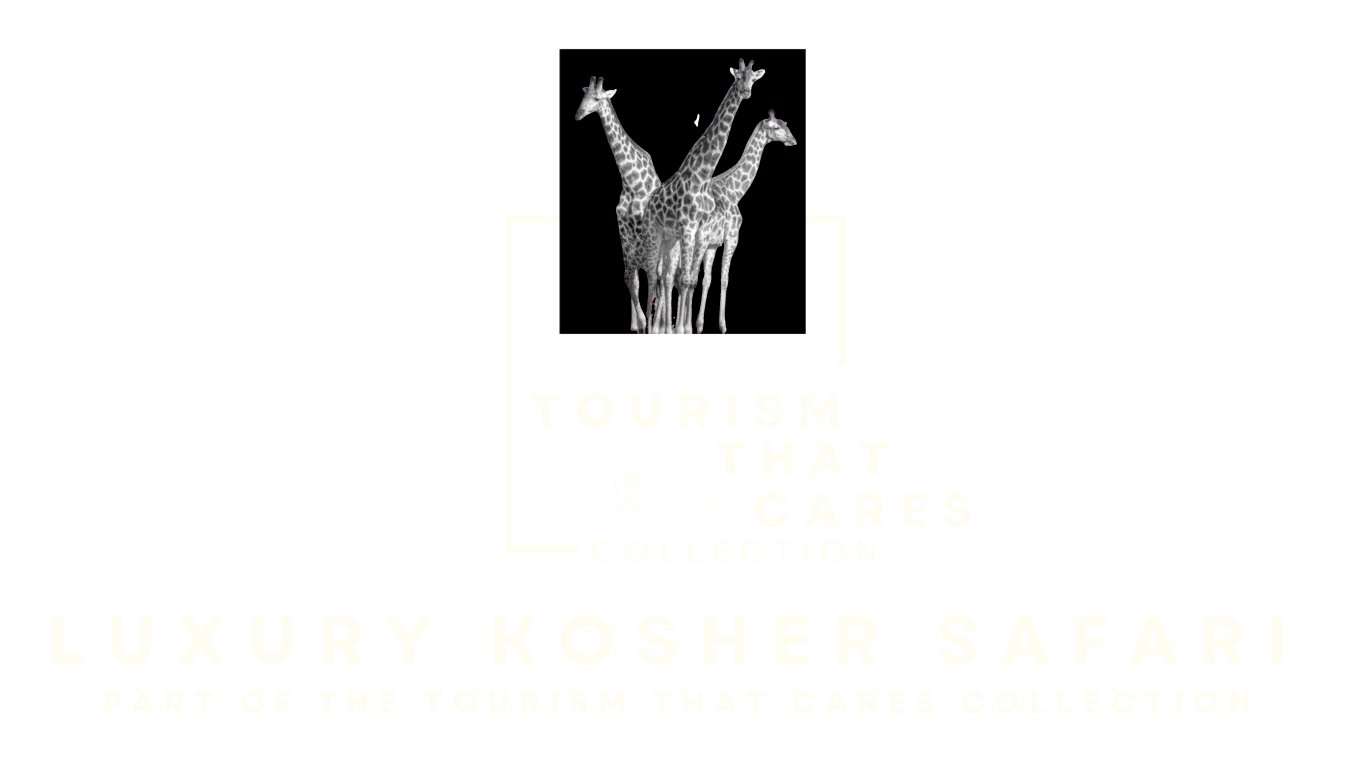
Chobe National Park is in northern Botswana near the vast, inland Okavango Delta, known for its large herds of elephant and Cape Buffalo.
The Chobe River in the north gives its name to the park. The 11 700²km park was established in 1968. The Chobe River rises in the northern Angolan highlands, travels long distances before it reaches Botswana at Ngoma.
The river courses of Chobe, Okavango and Zambezi are affected by fault lines that are extensions of the Great Rift Valley. These rivers carry more water than all other rivers in Southern Africa.
The park is divided into four geographical areas: the Chobe Riverfront, the Ngwezumba Pans, Savuté and Linyanti; each with its own distinct habit of floodplains, swamps, savannah and woodlands.
Of these four areas the Chobe Riverfront is the most famous and popular with its large herds of elephant and Cape Buffalo, which converge upon the river during the dry winter months. Any afternoon drive during this period will soon get you within a stone's throw of elephants.
Some areas such as the main Serondella road will be filled with hundreds of elephants making it almost impassable as they make their way to the river to drink, bathe and play.
All along the river the road makes many loops to viewpoints where one can see up to 15 different species of animals at one time. Of these the waterbuck, lechwe, puku (the only part in Botswana where they can be seen), giraffe, kudu, roan and sable, impala, warthog, bushbuck, monkeys and baboons are the most common. Not far off are the predator lion, leopard, hyena and jackal patiently waiting for their next meal.
A river cruise will bring you close to hippos, crocodiles and many species of water birds, such as the Fish Eagle, Pel’s Fish Owl, Stork, Cormorant, Heron, Kingfisher and Darter. The park has 460 bird species and is regarded among Africa’s best places for birding safaris. Amongst these the high soaring Martial Eagle and colourful Carmine Bee-Eater and Lilac Breasted Rollers stand out.